

Healing After an Injury Without Traditional Pharmaceuticals
Conventional injury care often leans on NSAIDs and, in more serious cases, opioids. Both have a place — but both carry trade-offs, and NSAIDs in particular may blunt parts of the natural healing response when overused. This guide covers the foundations of recovery and the research peptides being studied for tissue repair, so you can have a more informed conversation with your clinician.
Healing moves through overlapping phases: inflammation (clearing damage and signalling repair), proliferation (building new tissue and blood vessels), and remodelling (strengthening and reorganising). Inflammation is uncomfortable but is an essential signal — which is why aggressively suppressing it isn't always ideal for long-term tissue quality.
- • Protein and calories: tissue repair is anabolic — under-eating slows it.
- • Sleep: the majority of repair signalling happens during deep sleep.
- • Progressive loading: controlled movement and physiotherapy build stronger tissue than rest alone.
- • Micronutrients: vitamin C, zinc, and adequate collagen/glycine support the rebuilding phase.
- • Blood flow: heat, contrast, and gentle activity bring repair resources to the site.
BPC-157
The most widely researched healing peptide. Animal studies report accelerated repair of tendon, ligament, muscle, and gut tissue, alongside anti-inflammatory and angiogenic (blood-vessel-forming) effects.
Learn more →TB-500 (Thymosin beta-4)
Studied for cell migration, new blood vessel formation, and reduced inflammation — often paired conceptually with BPC-157 for soft-tissue recovery in research discussions.
Learn more →GHK-Cu
A copper-binding peptide researched for collagen synthesis, skin and wound repair, and anti-inflammatory signalling. Found naturally in the body and used topically and in research formulations.
Learn more →GH secretagogues (Ipamorelin, CJC-1295)
Studied for stimulating the body's own growth hormone release, which plays a role in tissue repair and recovery. Often discussed in the context of recovery support rather than acute injury.
Learn more →Most healing-peptide evidence is from animal models; human clinical data is limited. These are sold for research purposes only and are not approved treatments.
The strongest recovery strategy is rarely a single compound — it's the foundations done consistently, professional rehab, and a measured view of what the research on adjuncts like peptides actually supports. Compounds are the smallest lever; sleep, nutrition, and loading are the largest.
Related reading:
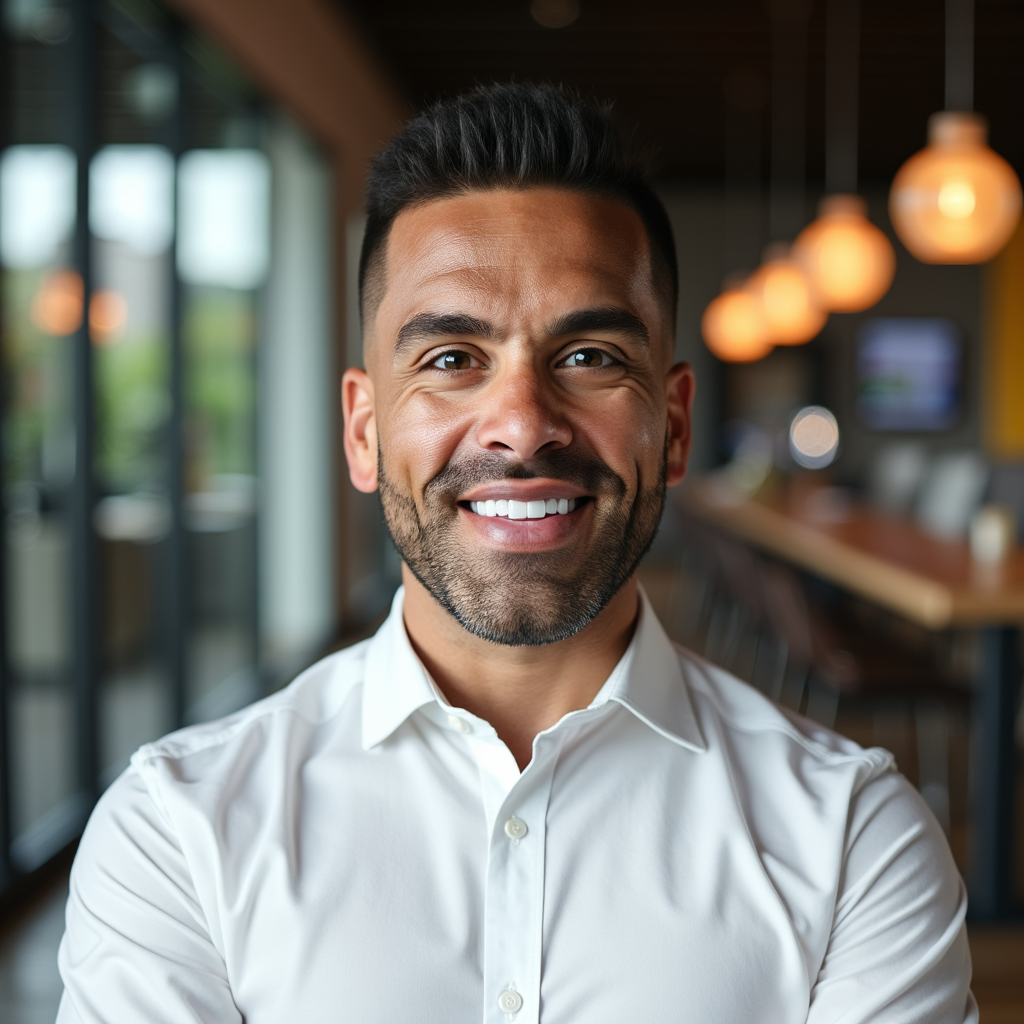
Developed & Edited by Brian Gossett
Created with AI-assisted research and drafting. Sources, conclusions, and final content reviewed by the author.
Founder & Biotechnology Research Industry Entrepreneur
20+ years of entrepreneurial experience • Peptide & biotechnology industry experience
View Staff Profile →Disclosure: Brian is the founder of Base Peptides, a large research peptide supplier. Full disclosure.
Found an error? Review our Corrections Policy or contact us.
Other Articles
Calculator
Calculate exact reconstitution volumes and insulin unit doses for any peptide protocol.
Open Calculator →